


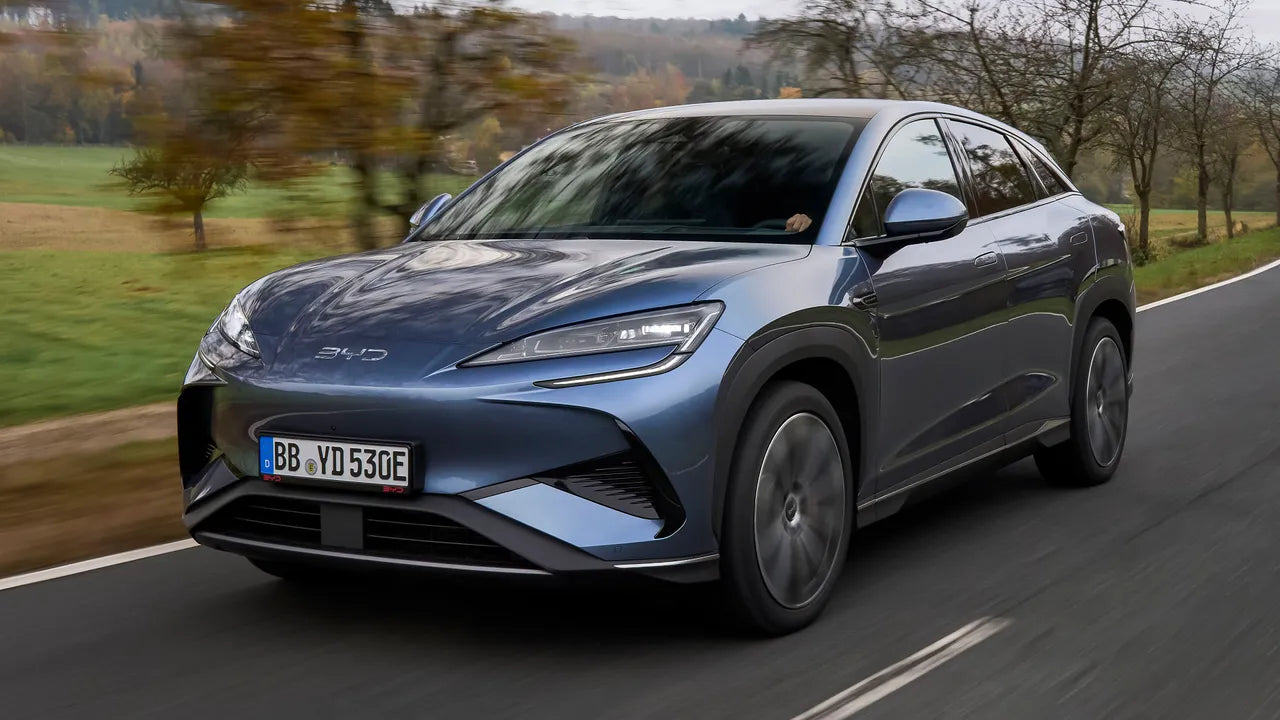
Choosing the right BYD electric vehicle in Australia now depends heavily on how quickly it can charge at home. With many households installing the wall chargers, understanding each model’s onboard AC charging capability is essential.
Here is the most comprehensive and up-to-date comparison of AC charging power for every BYD model currently available in Australia (April 2026):
| Model | Type | Battery Size (kWh) | Max AC Charging Power | Phase Type | Approx. Full Charge Time (0-100%) |
|---|---|---|---|---|---|
| Atto 1 Essential / Premium | Electric SUV | 30 – 43.2 | 11 kW | 3 Phase | 3.5 – 5 hours |
| Atto 2 | Electric SUV | 51.13 | 7 kW | Single Phase | 9.2 hours |
| Atto 3 Essential / Premium | Electric SUV | 50 – 60 | 7 kW | Single Phase | 9 – 11 hours |
| Dolphin Essential / Premium | Electric Hatch | 44.9 – 60.5 | 7 kW | Single Phase | 8 – 11 hours |
| Seal Dynamic / Premium / Performance | Electric Sedan | 61.44 – 82.56 | 7 kW | Single Phase | 11 – 15 hours |
| Sealion 7 Premium / Performance | Electric SUV | 82.56 | 11 kW | 3 Phase | 9.5 hours |
| Sealion 8 AWD Dynamic / Premium | Electric SUV | 19 – 35 | 11 kW | 3 Phase | 2.2 – 4 hours |
| Shark 6 | PHEV Ute | 18.3 | 7 kW | Single Phase | 3-4 hours |
| Sealion 6 (all variants) | PHEV SUV | 10.08 – 18.3 | 6.6 kW | Single Phase | 3.5 – 7 hours |
| Sealion 5 Essential / Premium | PHEV SUV | 12.9 – 18.3 | 3.3 kW | Slow Portable |
5 – 7 hours |
Key Insights for Australian Buyers
- Best for Fast Home Charging (11 kW 3-Phase): Atto 1, Sealion 7, and Sealion 8 are the clear winners. These models can make full use of an 11kW or 22kW wall charger.
- Most Common (7 kW Single Phase): Atto 2, Atto 3, Dolphin, and all Seal variants. These are suitable for most Australian homes with single-phase power.
- Slowest AC Charging: The Sealion 5 PHEV models have very limited AC charging capability. They are primarily designed for hybrid driving rather than frequent plug-in charging.
Recommendation from i-EV
We strongly recommend installing a 22kW home charger for most BYD owners. It delivers the maximum possible AC charging speed and provides excellent future-proofing, especially as more vehicles with higher onboard chargers enter the Australian market.
Since the majority of the cost of a wall charger comes from installation, the difference in price between a 7kW and 22kW unit is relatively small. However, it’s important to note that the actual charging speed you experience will depend on the vehicle’s onboard charger capability — the car will only draw the power it is designed to accept.
Need help choosing the right charger for your BYD? Contact the team at i-EV Chargers & Accessories or visit www.i-ev.com.au for expert advice and product recommendations.
Share:
Top Five Recommended EV Wall Chargers in Australia (2026 Guide)
⚡ 1500km on a Single Charge - Is This the End of the Combustion Engine?