


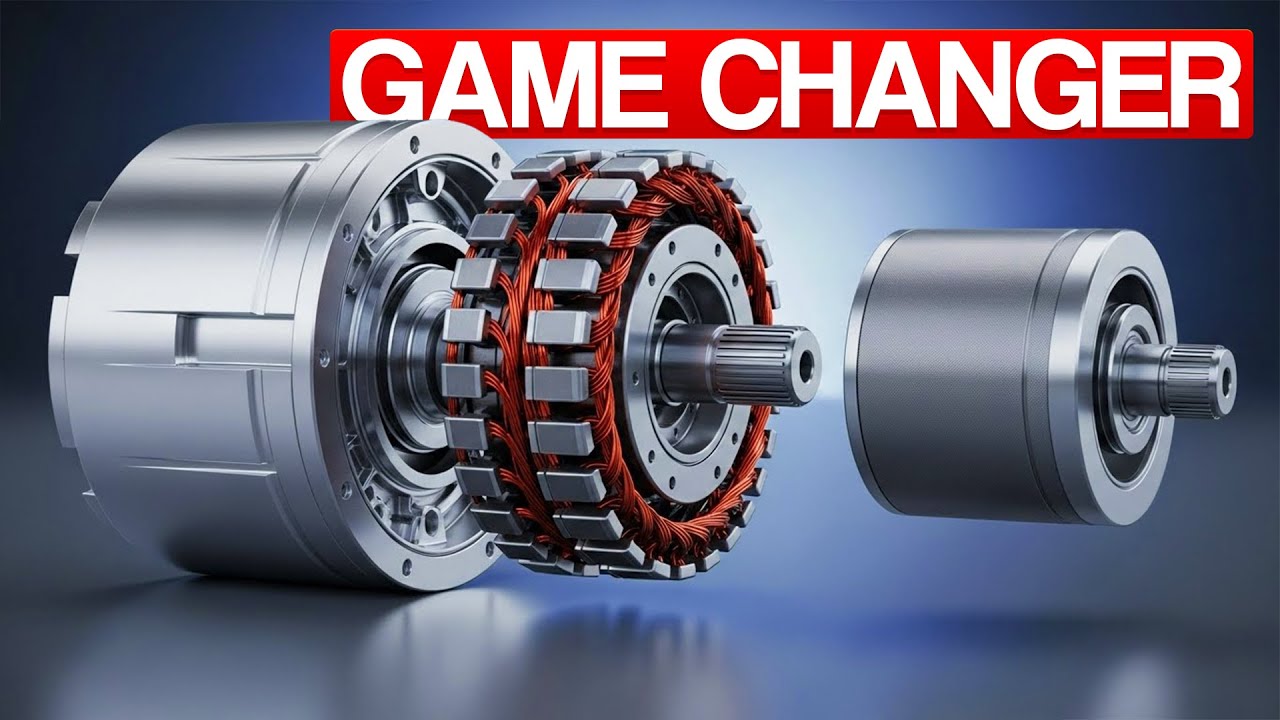
From the perspective of physics, the true revolution of electric vehicles is not the battery — it is the extremely high efficiency of energy conversion.
When Geely Galaxy recently unveiled its new “Thunder” 16-in-1 intelligent electric drive system, achieving 93.8% comprehensive efficiency, it showcased the remarkable progress of modern EV engineering.
For comparison, Toyota’s world-leading Dynamic Force petrol engine reaches around 40–41% thermal efficiency — an impressive achievement after more than a century of combustion engine development.

Petrol Engine vs Electric Motor: Two Completely Different Approaches
A petrol vehicle uses a combustion engine. The engine must first create heat through combustion, then convert that heat into mechanical motion.
Petrol → Burning fuel → Heat → Hot air pushes pistons → Pistons create mechanical motion → Crankshaft converts motion into rotation → Gearbox adjusts torque → Driveshaft transfer power → Axles turn → Wheels rotate → Vehicle moves
During this process, a large amount of energy is lost through:
- Exhaust heat
- Engine cooling systems
- Friction between hundreds of moving components
- Transmission losses
A typical petrol engine converts only around 20–30% of fuel energy into useful movement.
Around 70–80% of the energy contained in petrol is wasted.
Electric Motors: Convert Electricity Directly into Motion
An EV works in a completely different way. Instead of burning fuel, it uses a magnetic field created by electricity to drive the motor directly.
Electricity → Magnetic force → Motor rotation → Differential distributes torque → Wheels rotate → Vehicle moves
Modern electric vehicles can convert approximately 85–95% of electrical energy into movement. This means an EV can use so much more of its stored energy to actually move the vehicle.
A Simple Comparison


Why This Efficiency Difference Matters for EV Owners
Higher efficiency creates real-world benefits:
1. Lower running costs
Because less energy is wasted, EVs require less energy to travel the same distance.
2. Better performance
Electric motors deliver maximum torque immediately, providing instant acceleration.
3. Less maintenance
One of the biggest advantages of EV technology is its simplicity. With far fewer moving parts, electric drivetrains remove many maintenance-intensive components found in petrol vehicles, such as engine oil systems, spark plugs and complex transmissions. The result is significantly lower servicing requirements.
At iEV, we see this benefit every day. Our co-founder Raymond has driven his Tesla Model Y for more than three years and over 35,000 km, and it has not required any routine servicing yet!
4. Better use of renewable energy
When powered by rooftop solar, EVs allow households to convert sunshine into kilometres of driving with very little energy waste.

Coming Soon: iEV 22kW Smart Solar Wall Charger
Smarter Solar Charging. Lower Energy Costs. Built for Australia.
After completing its final testing in Australia, the new iEV 22kW Smart Solar Wall Charger will officially launch before the end of July 2026, bringing smarter home charging technology to Australian EV owners.
Designed specifically for Australian conditions, the iEV Smart Solar Wall Charger helps maximise the benefits of electric mobility by intelligently managing how your vehicle charges.
Key features include:
✓ Smart Solar charging — use excess solar energy to charge your EV and reduce reliance on grid electricity
✓ 22kW charging capability — suitable for faster home charging where three-phase power is available
✓ Dynamic Load Balancing — optional CT clamps help optimise charging while protecting your home's electrical supply
✓ Smartphone app control — schedule charging, adjust charging current and monitor charging history from anywhere
✓ Built for Australian weather conditions — IP65 dustproof and water-resistant enclosure with UV-resistant construction for reliable outdoor performance
Backed by a 5-Year Warranty and Brisbane-based local support, the iEV Smart Solar Wall Charger will help Australian drivers Turn Free Sunshine into Kilometres!

Share:
Zeekr 7X: Unlocking the Full Power of a 22kW Home Charger
Farizon V7E: The Ultimate Charging and Cost-Saving Guide for Aussie Fleets, Businesses and Tradies